1991 · Album
Off Minor
Recorded 1990 in Italy · Red · Musicians: Cedar Walton (piano), David Williams (bass)

Two Voices in Conversation, No Pretense
Piano and bass trading phrases in real time, nothing between them but air and attention.
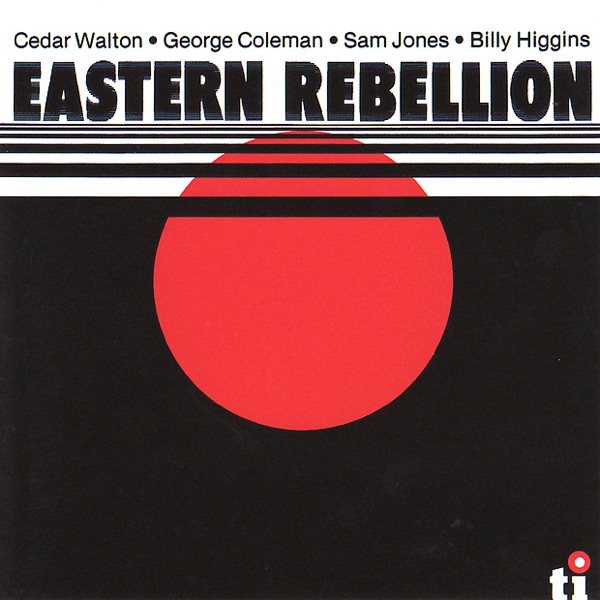
What hits first is the intimacy. Cedar Walton's piano sounds close enough to touch, and David Williams' bass responds like they're in the same room having a real discussion — which they were, somewhere in Italy in 1990. There's no rhythm section hiding behind them, no drums to keep time. Instead, Walton sets a tempo and Williams locks in, and the two of them build a conversation one phrase at a time. The piano lines are clean and unhurried; Walton doesn't overcomplicate things. He plays standards and bebop heads the way someone who's lived inside this music for decades would play them — directly, without showing off. Williams anchors everything with a tone that's warm but never soft, present but never intrusive.
The album came out under the wrong title due to a labeling mix-up involving a Thelonious Monk tune, but the music itself stayed the same regardless of what the jacket said. That's actually fitting. This isn't a record that depends on context or concept. It's just two musicians who know their job playing in real time. Some moments swing easy, almost conversational. Others feel more probing — Walton exploring harmonic corners while Williams figures out what comes next. For listeners used to Walton's work in larger settings, this stripped-down version shows you what he actually sounds like when everything extra falls away. Not his most celebrated work, but solid and honest — exactly what a piano-bass duo should be.
Where next?
More by Cedar Walton
All 42 albums →