1988 · Album
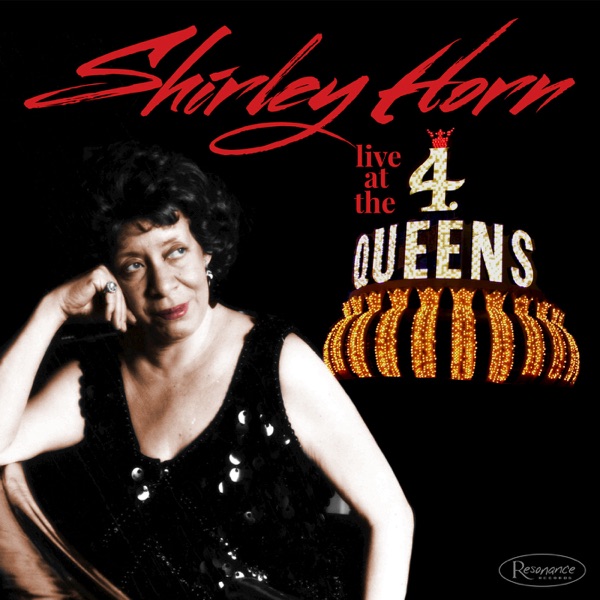
Live at the 4 Queens
Recorded May 2, 1988 at the Four Queens Hotel, Las Vegas · Resonance Records (2016 release) · Produced by Not specified in verified sources
An Intimate Night in Las Vegas
Horn's voice and piano merge so completely you forget you're listening to two separate instruments.
Shirley Horn was never a showstopper in the Vegas sense—no big gestures, no attempts to fill a room. So a live recording from the Four Queens Hotel in May 1988 might seem like an odd place to find her, yet it makes perfect sense. By this point in her career, Horn had spent decades perfecting something most singers never bother with: the art of singing as if nobody's watching. This album catches her doing exactly that, up close, in a space where proximity matters more than projection.
What you hear is Horn at the piano with a stripped-down setup, doing what she did best—making every lyric land like a private conversation. Her approach was never about vocal pyrotechnics or proving anything. She played her own accompaniment, which meant the piano line and her phrasing were locked together in ways most singer-and-accompanist duos never achieve. The recording quality reflects the venue and era—warm but direct, with no studio polish or overdubs to hide behind. All About Jazz recognized the performance's strength with a perfect rating, and The Guardian gave it four stars, which tells you this wasn't a casual night in a casino lounge. This was Horn doing the only thing she really knew how to do: making the ordinary lyrical.
The album matters partly because it documents Horn's work in her final years, when she was still performing but recording less frequently. More importantly, it's a reminder that her influence wasn't about changing jazz—it was about deepening it, showing younger singers that restraint and intimacy could say more than anything flashy. If you know Shirley Horn (1954) or her Blue Note sessions, this won't surprise you. If you're coming to her work fresh, start there first. This one rewards listeners who already understand what she was after.
Who's playing