2006 · Album
Junjo
Recorded 2006 · Ayva Music · Produced by Information not verified
Esperanza Spalding's First Statement as a Leader
Junjo announces Spalding as a bassist and singer who thinks about melody and space, not just technical display.
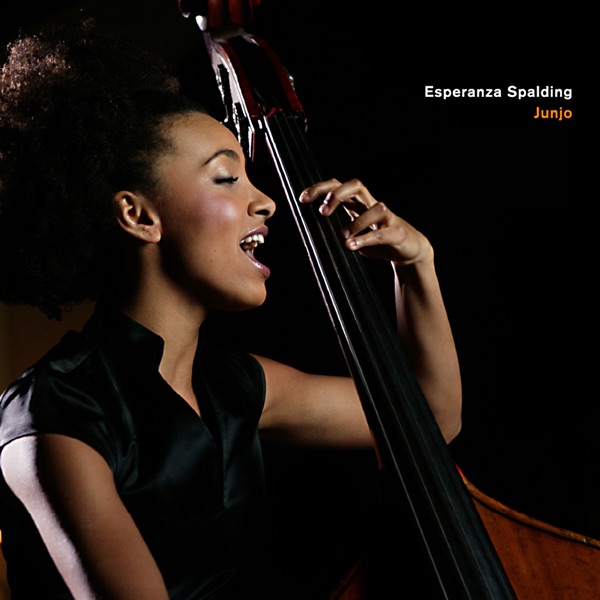
Junjo is Esperanza Spalding's debut, released in 2006 on the Spanish label Ayva Music, and it's a solid introduction to what she'd become known for — a bassist who sings, who isn't interested in showing off, and who thinks about the shape of a song before the notes. This isn't a virtuoso showcase or a concept album trying to save jazz. It's a straightforward jazz album with a young artist finding her voice, both literally and musically. Spalding's bass playing here is clean and melodic, nothing flashy, and her singing is conversational rather than dramatic. The album sits somewhere between straight-ahead jazz and pop sensibilities, which means it won't satisfy everyone. Some listeners will find it too accessible, others too jazz for their taste. That middle ground, though, is exactly where Spalding works best.
The real story of Junjo is that it establishes her as someone who can compose and arrange, not just perform. The songs breathe. There's space between the notes. Working with a small group, Spalding avoids the trap that catches a lot of young bandleaders — the urge to fill every second with activity. Instead, the album has a patient, almost intimate quality. You're not hearing a bass player who learned to sing; you're hearing a musician exploring how these two skills inform each other.
In her catalog, Junjo is essential background but not where most people start. If you've heard her later work like Radio Music Society (2012) or Esperanza (2011), those albums are more assured and more fully realized. But Junjo has an honesty to it that later albums, for all their sophistication, sometimes lack. It's where the foundation was laid, and worth hearing if you're serious about understanding where she came from.
Where next?
More by Esperanza Spalding
All 13 albums →