1995 · Album
Illusions
Recorded 1995 · Warner Bros Records · Chart Performance: No. 33 on Billboard Top R&B Albums; No. 3 on Billboard Top Jazz Albums and Top Contemporary Jazz Albums
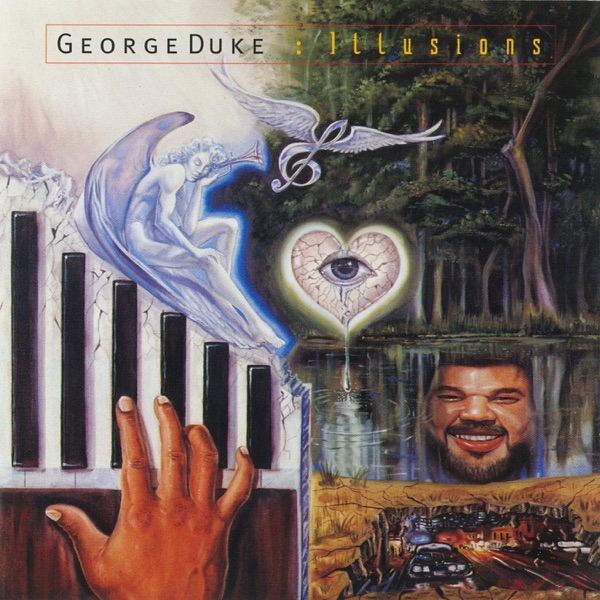
Duke's Mature Vision of Jazz Fusion Grace
Illusions finds Duke confident in his command of keyboards, rhythm, and orchestration without needing to prove anything.
By 1995, George Duke had already spent two decades establishing himself as one of fusion's most versatile voices—equally comfortable in weather-report-style abstractions or funkier, more grounded grooves. Illusions sits comfortably in his mature phase, when he no longer needed to chase trends or overstate his technical gifts. The album charts a middle path: accessible enough to climb the contemporary jazz charts (it hit No. 3 on Billboard's Jazz and Contemporary Jazz Albums listings) but substantive enough to reward close listening.
The rhythm section of Byron Miller on bass and Leon Ndugu Chancler on drums locks into grooves that feel lived-in rather than flashy, with Paulinho da Costa adding textural percussion that never overwhelms the forward motion. Duke's keyboards—from lush Rhodes work to crisp digital tones—sit naturally in the mix rather than dominating it. The album's real strength is its patience. These are songs that unfold at their own pace, letting melodies breathe and allowing the ensemble space to respond to each other. Nothing here sounds rushed or designed for radio rotation, even though the album's commercial success suggested listeners were hungry for exactly this kind of polished, intelligent jazz.
Illusions represents Duke at a point where experience had taught him when not to play. It's a solid entry in his catalog—not a reinvention, not his best work, but proof that a master musician can deliver craft and warmth without fanfare. For those coming to Duke's fusion work, this is a good place to experience his later approach, though his earlier Blue Note albums showed more adventurous spirits.
Who's playing
Stanley Clarkeelectric bass guitar
Larry Kimpelelectric bass guitar
Byron Millerelectric bass guitar
Ray Fullerguitar
Michael Landauguitar
Dennis Chambersdrums
Leon Ndugu Chanclerdrums
Paulinho da Costapercussion
Where next?
More by George Duke
All 29 albums →


The musicians on this record
Their own records, close in time


