Sims and Rowles Honor Holiday's Hidden Songs
A saxophonist and pianist rescue Billie Holiday's deeper cuts from obscurity with taste and genuine affection.
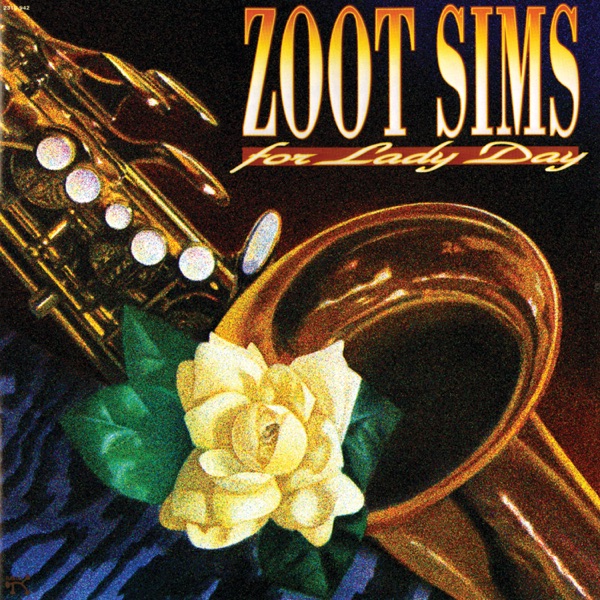
For Lady Day arrived thirteen years after Zoot Sims and Jimmy Rowles recorded it, a delay that almost buried what turned out to be one of Sims' most focused small-group records. The album centers on a single idea executed with real restraint: two musicians working through eleven songs tied to Billie Holiday, not to canonize her but to explore the repertoire that gave her voice its shape. AllMusic reviewer Scott Yanow called it "melodic, tasteful, and largely memorable," noting that the pair "perform 11 songs associated with Holiday, including quite a few that would have been lost in obscurity if Lady Day had not uplifted them with her recordings."
What makes this record stick is the partnership between Sims' tenor saxophone and Rowles' piano. Sims had the technique and the taste to avoid overshadowing the material—he plays with a warm, conversational tone that never tries to dominate the room. Rowles provides the harmonic and rhythmic foundation without fussiness. The two work like musicians who have played together long enough to know when to push and when to step back. This is a late-career record for Sims, recorded when he had settled into his voice rather than still chasing it.
The real value here lies in what Yanow identified: the album lifts songs out of deep cuts and B-sides back into the light. Many of these tunes would have remained Holiday curiosities without this kind of deliberate, affectionate reexamination. It's not a revolutionary statement about Holiday or about jazz saxophone. It's a solid, unshowy tribute that lets the songs speak and gives two capable musicians room to listen to each other.
Who's playing
Where next?
More by Zoot Sims
All 11 albums →


The musicians on this record
Their own records, close in time