2017 · Album
Blue Maqams
Recorded May 2017, New York · ECM · Personnel: [Anouar Brahem] (oud), [Dave Holland] (bass), [Jack DeJohnette] (drums), [Django Bates] (piano)

Oud and Rhythm: A Late Mastery
Brahem's oud sketches themes while the rhythm section creates dreamy twilight reflections and languid nightwalks.
By 2017, Anouar Brahem had already spent decades establishing himself as one of the world's most accomplished oud players, but Blue Maqams captures him at a point where his vision has become almost effortless. This is not a debut or a reinvention — it's a late-career record where a major artist gets exactly the ensemble he needs and lets them work. The quartet of Brahem, Dave Holland, Jack DeJohnette, and Django Bates moves through these pieces with the kind of ease that only comes from deep listening and total confidence. The oud doesn't dominate; it sketches and suggests, often shadowed by the others in what John Fordham described in The Guardian as dreamy twilight reflections. The title track accelerates into languid swaying passages, while Holland's bass vamps unlock scintillating jazz moments that feel both rooted in tradition and entirely present.
What sets this apart from Brahem's other work is the particular chemistry with this rhythm section. DeJohnette's drumming never pushes; it cradles. Bates on piano finds spaces between the oud's modal phrasing rather than filling them. Holland anchors everything with a presence that feels almost invisible because it's so right. The music never sounds like oud trying to fit into jazz, or jazz accommodating oud. AllMusic reviewer Thom Jurek called it "a nearly perfect illustration of balance between cultural and musical inquiry," and that precision is earned through every decision on this record.
This is essential listening for anyone already familiar with Brahem, and a strong entry point for listeners curious about oud in contemporary settings. The album doesn't work by exoticizing its instruments or smoothing over difference. It works because four musicians trusted each other completely.
Who's playing
Where next?
More by Anouar Brahem
All 14 albums →


The musicians on this record

Prism 2013
Dave Holland
plays double bass here
plays double bass here
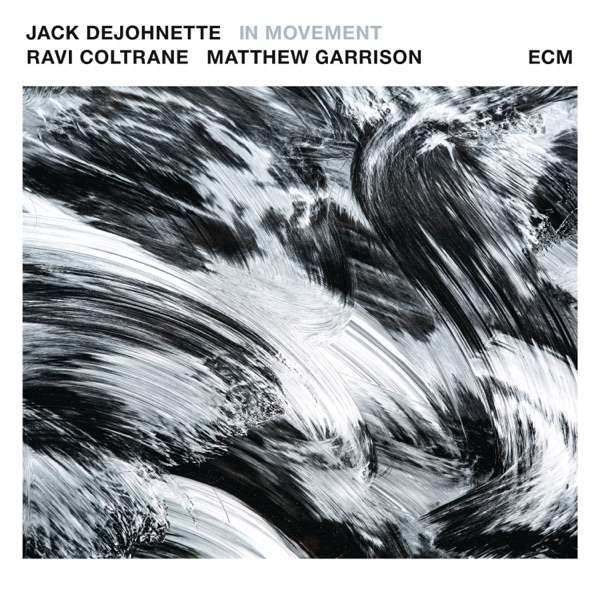
In Movement 2016
Jack DeJohnette
plays drums (drum set) here
plays drums (drum set) here
♫
Summer Fruits (And Unrest)
Django Bates
plays piano here
plays piano here


