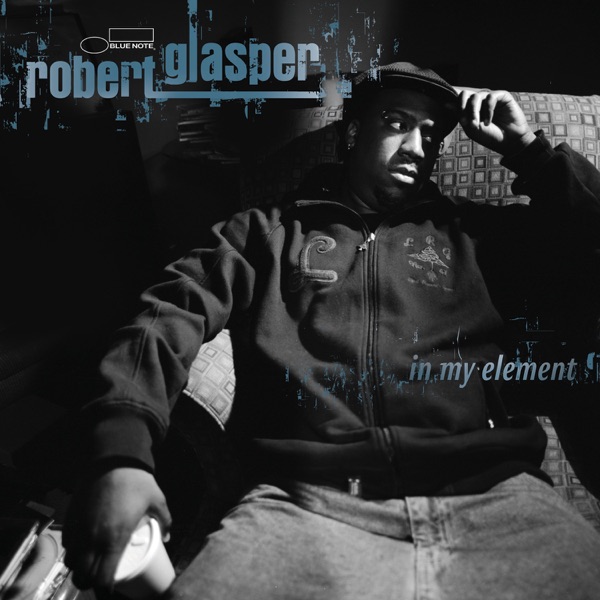
Jazz Piano With the Bass Up
Glasper grew up in Houston playing in church and absorbing whatever was on the radio — gospel, hip-hop, soul — before heading to the New School in New York and getting serious about jazz. You can hear all of that in how he plays. His touch is softer than most post-bop pianists, he leans into space, and he has this way of referencing a hip-hop groove inside an otherwise straight-ahead passage that feels completely natural rather than forced. Spend ten minutes with his trio work from the early 2000s and you'll notice he already sounded like himself — the crossover ambitions came later, but the sensibility was always there.
The record that put him on a different level was Black Radio (2012). Instead of a jazz audience, it was aimed at everyone — and it worked. Erykah Badu covering Afro Blue, Meshell Ndegeocello on bass, Lupe Fiasco rapping over a Monk reference — it sounds like it could be a mess, but Glasper held it together because he genuinely loves all of that music rather than just recruiting it for credibility. The album won a Grammy for Best R&B Album, which says something about how squarely it landed outside the jazz world.
His trio playing — with bassist Vicente Archer and drummer Damion Reid in earlier configurations — is worth your time separately from all the Experiment stuff. He recorded a live set called Double Booked (2009) that split the record literally in half: one side straight-ahead trio, one side the Experiment band with electronics and a more R&B feel. It felt like a mission statement. He was telling you he wasn't going to choose, and he's never really had to.
The criticism that follows Glasper is real and worth acknowledging. Some jazz listeners feel he leaned so hard into accessibility that the music got thin — that the grooves sometimes substitute for development rather than supporting it. He's also had a fair amount of public controversy that has nothing to do with the music. None of that erases what the records actually do, but it's part of the full picture if you're paying attention to where he sits in the broader conversation about jazz and African American music in the 2010s and beyond.
If you're coming to him fresh, start with Black Radio (2012) to understand why people got excited, then go back to Double Booked (2009) to hear how he got there. If you want to go deeper into the trio side, his earlier Blue Note records show a player who could hold his own in any post-bop setting. He's not trying to be Herbie Hancock or Brad Mehldau — he's doing something slightly different, and on his best records, that difference is exactly the point.


