2011 · Album
The Gate
Produced by Don Was · Released: 2011 · Grammy Nomination: 54th Grammy Awards, Best Jazz Vocal Album
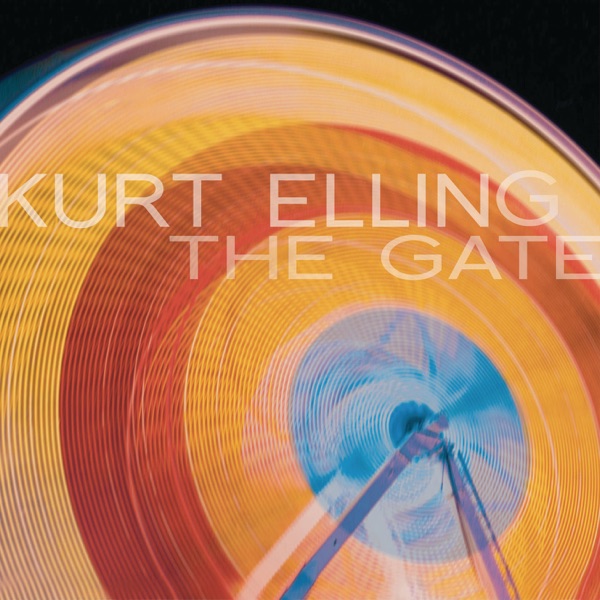
The Gate: Elling's Song Cycle at Peak Powers
The Gate presents Elling at the top of his game — a song cycle mesmerizing and mysterious as it is compelling.
The Gate arrived in 2011 already noticed. When it received a Grammy nomination for Best Jazz Vocal Album at the 54th Grammy Awards, it had already caught critical attention on release. AllMusic reviewer Thom Jurek awarded it four stars, describing Elling as a "modern jazz visionary" and praising the album as a unified song cycle that works both as conceptual statement and as compelling listening. This wasn't a slow-burn record that built reputation over years — it landed with immediate credibility.
By this point in his career, Elling had earned the kind of standing where a major label release with a producer of Don Was's caliber felt natural rather than surprising. The Gate functions as a song cycle, which sets it apart from the typical jazz vocal record. Rather than a collection of standards or originals strung together, the album has architectural intention — the songs speak to each other, building something larger than individual performances. That structural ambition, combined with the quality of the execution, is what made critics take notice right away.
This is the album to reach for if you want to hear Elling working at full confidence, choosing material that challenges him and arranging it in ways that feel considered. The Grammy nomination confirmed what the critical response already suggested: The Gate represents him doing some of his best work, not as a young artist with something to prove but as an established musician at command of his instrument and his artistic vision.
Who's playing
John Patituccibass
Laurence Hobgoodpiano
John McLeanguitar
Bob Mintzertenor saxophone
Lenny Castropercussion
Kobie Watkinsmembranophone