2009 · Album
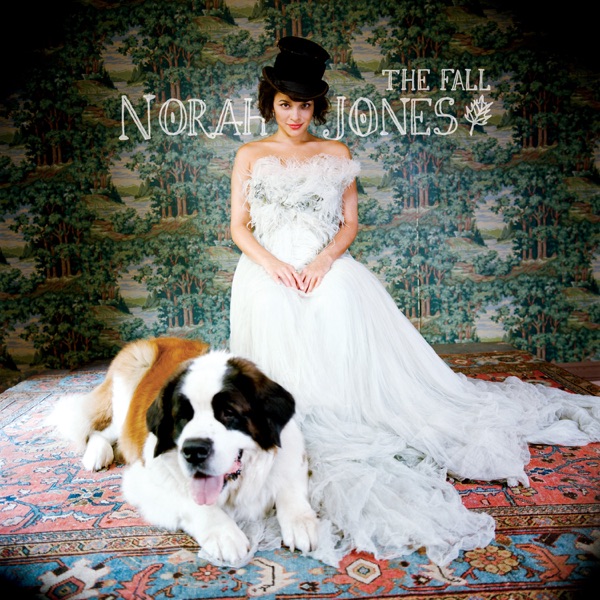
The Fall
Blue Note Records · Released: November 11, 2009 · Chart Performance: Debuted at number three on Billboard 200; 180,000 copies sold first week; over three million worldwide as of August 2012 · Critical Reception: Metacritic score of 73 (generally favorable reviews from 22 critics); The New York Times gave favorable review
Turning Inward in the Middle Years
By 2009, Jones was ready to shed the safety of her early success and reach for something harder to pin down.
By the time The Fall arrived, Norah Jones had already spent years as a household name—the kind of artist whose debut had moved millions of copies and whose sound had become almost too familiar. This album represents her at a crossroads: famous enough to take real risks, established enough that those risks mattered. She didn't need to prove anything, so instead she proved something different—that she could move away from the soft-focus piano ballads that made her name and toward something more restless and textured.
The instrumentation here is where that restlessness lives. Sam Cohen and Smokey Hormel layer electric guitars across arrangements that feel deliberate but never decorative, while John Kirby works synthesizers alongside his piano work, and Zac Rae adds further electronic weight. Frank Swart and Dave Wilder provide bass that sits deep in the mix rather than leading from the front. On the Wurlitzer, Jones herself sounds more like an accompanist than a soloist—a choice that says something about where her head was. The songs themselves are tighter, more restrained, sometimes almost resistant to easy emotion. Critics responded well enough; The New York Times found in it the expansion her music had been needing, and the album debuted at number three on the Billboard 200, selling heavily in its first week and going on to shift millions of copies worldwide.
If you came to Jones expecting the hushed intimacy of her earliest work, this won't feel like home. But that's exactly the point. The Fall is the sound of an artist choosing complication over comfort, and by any measure that's the more interesting bet.
Who's playing
Frank Swartbass
Dave Wilderbass
Gus Seyffertbass
Catherine Popperbass
Norah JonesWurlitzer electric piano
John Kirbypiano, synthesizer
James PoyserWurlitzer electric piano
Sam Cohenelectric guitar
Smokey Hormelelectric guitar
Peter Atanasoffelectric guitar
Sasha Dobsonacoustic guitar
Lyle Workmanacoustic guitar
Zac Raesynthesizer
Robert DiPietroadditional, drums
Marco Giovinodrums, percussion
Pete McNealdrums
Joey Waronkerdrums
Will Saylestambourine