1997 · Album
The Art Of The Trio, Volume One
Recorded 1996-1997 · Art of Life Recordings · Produced by Brad Mehldau
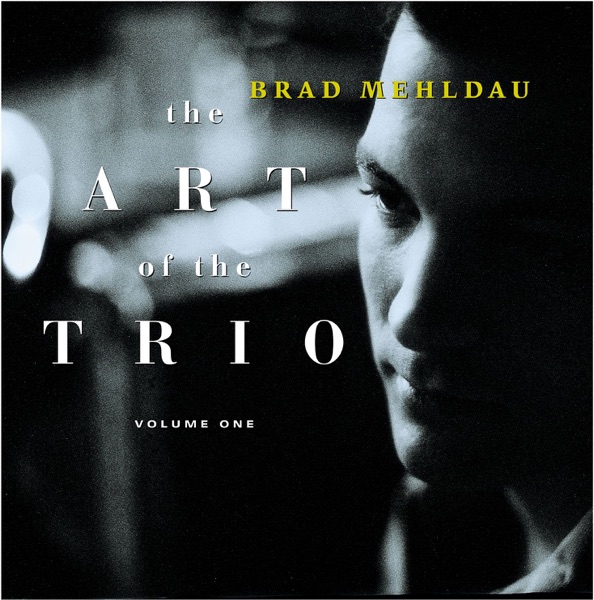
Intimate Conversations in Three Voices
Mehldau strips away everything but the essential—piano, bass, drums, and pure musical thinking.
Brad Mehldau's trio debut arrives as something of a corrective. After establishing himself as a reliable sideman and composer, he steps into the leader's chair here with an almost aggressive intimacy. There's no room to hide in a trio, and Mehldau doesn't seem interested in hiding anyway. The album opens with a deceptively simple approach to standards and originals alike, but what emerges is a pianist unafraid to deconstruct a melody or follow a harmonic tangent wherever it leads. Tracks like "Resign" show him working through complex ideas with Larry Grenadier on bass and Jorge Rossy on drums, two players who understand that this music requires active listening and responsive accompaniment rather than timekeeping.
What makes this record genuinely distinctive is how contemporary it sounds without chasing trends. Mehldau's touch ranges from spare and conversational to driving and forceful within the same tune. He'll quote pop songs, folk melodies, and jazz standards, but not in a winking, self-aware way—these references feel organic to how his musical mind works. The trio never overplays, which in 2000s jazz was worth noting. There's actual space here, moments where the piano sits alone or the drums drop out entirely. This restraint could feel precious in the wrong hands, but Mehldau and his partners treat it as strength.
This is the album to start with if you're curious about Mehldau as a bandleader. It's not his most experimental work, and it's not a masterpiece on the order of his best records, but it's honest and thoroughly accomplished. The playing is clean, the ideas are clear, and nothing feels forced or overstated. For listeners wanting to understand where contemporary mainstream jazz went in the early 2000s, this trio format became his signature vehicle—and it started here.
Where next?
More by Brad Mehldau
All 15 albums →