Gardot's Quiet Reckoning with Space and Silence
The Absence finds Gardot inhabiting restraint like a room she knows by heart.
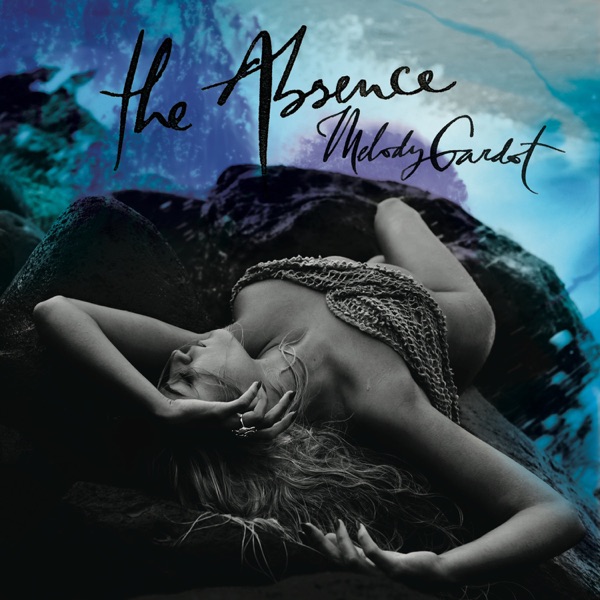
The Absence opens into a landscape of air. Gardot's voice sits low in the mix, surrounded by space—not emptiness, but the kind of silence that has weight. Strings breathe rather than swell. Rhythms move like someone thinking through a problem rather than announcing a solution. Heitor Pereira's production strips away the lushness of her earlier work and replaces it with something more architectural: every instrument seems placed for a reason, and what's not there matters as much as what is. This is Gardot early in her solo career, and it's noticeably different from what came before—less concerned with standards and showmanship, more interested in what happens when you remove the safety net.
The album landed to strong reviews. AllMusic gave it four stars, and critics at Mojo, The Daily Telegraph, and Jazz Forum all rated it four out of five, recognizing something intentional in its restraint. The 2012 release also benefited from the Piaget campaign, which brought the decision to include "La Vie en rose" on a re-release, adding a music video and behind-the-scenes footage that would introduce the album to listeners beyond the traditional jazz audience.
The Absence works best for listeners who want something quieter and more interior than typical vocal jazz—less concerned with proving range or technical skill, more focused on mood and phrasing. It's a solid album, and one that's held up well through multiple re-releases, which says something about its durability. Not essential if you're new to Gardot, but worth seeking out if you've connected with her earlier records and want to see her working at a different temperature.
Where next?
More by Melody Gardot
All 4 albums →