2015 · Album
Currency of Man
Recorded 2014-2015 · Decca Records · Produced by Larry Klein
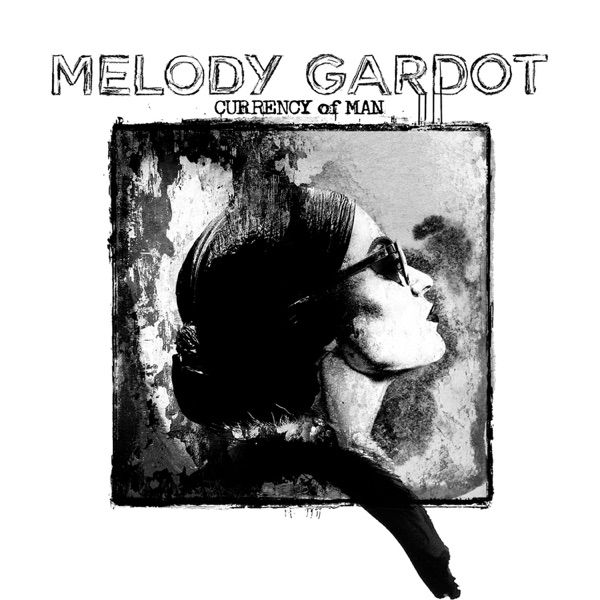
The Price of Intimacy and Resilience
Gardot strips everything down to its essence, letting vulnerability and piano speak louder than arrangement.
Currency of Man sits at an interesting crossroads in Melody Gardot's work — it's neither her breakthrough debut nor a late-career statement, but rather a deliberate pause where she seems to be asking who she is as an artist beyond the trauma narrative that defined her earlier recordings. This album feels more introspective than confessional, more interested in the texture of a room than the size of an orchestra. She's working with space here, letting silence do as much work as the notes themselves.
What makes this record distinct is how stripped-back it is. Where some of her previous work leaned into lush arrangements and cinematic production, Currency of Man relies heavily on piano, bass, and her voice — sometimes that's all there is, and it works. The songs explore loneliness, connection, and what we owe each other in remarkably unsentimental ways. There's no self-pity in these arrangements, which honestly took me by surprise. Gardot sounds like someone who's thinking clearly, not someone looking for your sympathy. The production lets every breath, every piano strike, every bass note breathe. It's the kind of album that demands you actually listen rather than just have it playing.
If you're coming to Gardot for the first time, this might not be the place to start — her earlier work has more immediate hooks. But if you've already spent time with her catalog and you want to hear her at her most musically adventurous and emotionally grounded, Currency of Man shows an artist trusting her instincts in a way that feels earned rather than experimental for its own sake. It's a quieter album than you might expect, but that's precisely why it matters.