Strings Ignite the Norwegian Jazz Collective
Jaga Jazzist harness a full string section to push their sound toward orchestral ambition.
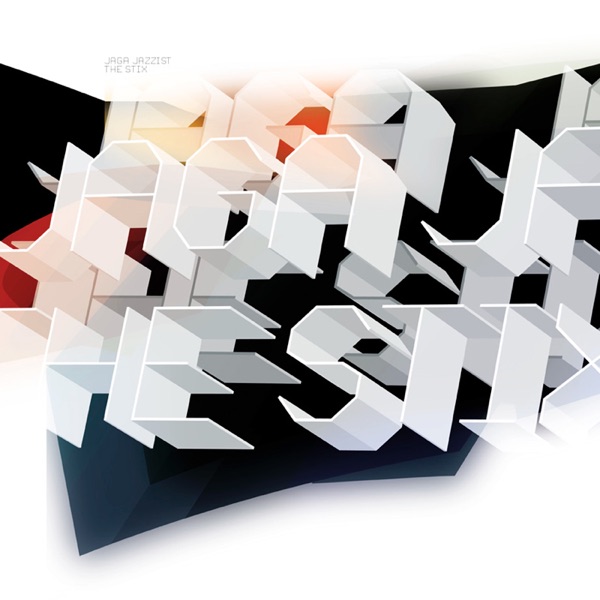
Starfire marks a turning point for Jaga Jazzist, the Norwegian group known for intricate, restless grooves and texture-first composition. By this point in their career, they had earned cult respect for their refusal to settle into any single sound. On this sixth studio album, they made their most explicit move toward orchestral scale by enlisting a string quintet—Ole-Henrik Moe, Kari Rønnekleiv, Øyvind Fossheim, Frode Larsen on violins, Stig Ove Ose on viola, and Audun Sandvik on cello. This was not window dressing. The strings reshape what Jaga Jazzist do fundamentally: they replace the band's usual nervous energy with something more deliberate, sometimes lush, occasionally mournful.
The decision to write for strings rather than rely on them as garnish gives Starfire a different kind of density. Where earlier records felt constructed from interlocking rhythmic cells, these tracks breathe around the string arrangements. Martin Horntveth anchors much of the album through precise, sometimes minimal percussion work, allowing the violins room to develop ideas. Tracks build more slowly here, with less of the frenetic layering that defined earlier work. It is not a soft album—the grooves remain alert—but the string writing often dominates the emotional shape of a piece.
Starfire was released to genuine critical praise in 2015. For longtime listeners, it reads as both consolidation and departure: the group's structural intelligence intact, but their aesthetic widened. It remains the band's most accessible full-length, though accessibility here means "willing to let a melody breathe" rather than any compromise of their compositional rigor. For those approaching Jaga Jazzist for the first time, this is a natural entry point, far more inviting than their earlier, more angular records.
Who's playing
Martin Horntvethpercussion
Erlend Mokkelbosthandclaps
Susanne Sundførhandclaps
Ole-Henrik Moeviolin
Kari Rønnekleivviolin
Leon Dewanother instruments
Øyvind Fossheimviolin
Frode Larsenviolin
Stig Ove Oseviola
Audun Sandvikcello
Ola Kvernbergviolin