Two Voices in Complete Freedom
All 12 pieces are fully improvised, yet filled with melodic wonders that reward close listening.
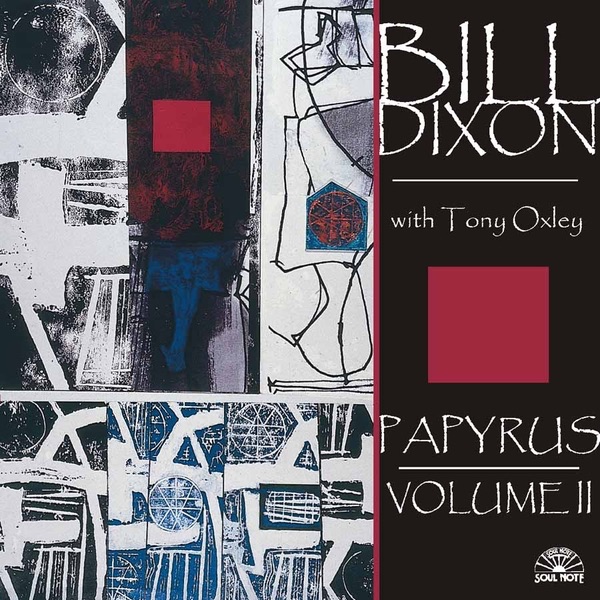
Bill Dixon and Tony Oxley made this record late in their careers, when both had spent decades exploring the outer reaches of improvisation. This is not a summation or a retrospective statement — it's two musicians still pushing, still discovering. The album consists entirely of spontaneous duets: trumpet and percussion in conversation, no predetermined structure, no safety net.
What's striking is how melodic it all is. You might expect pure abstraction from a fully improvised record of this sort, but Dixon's trumpet sings throughout. Oxley's percussion work — brushes, mallets, resonant strikes — leaves space for the melodies to breathe. The pieces are short, often lasting just a few minutes, which gives the album the feeling of a sketchbook rather than a formal statement. Some ideas develop across multiple exchanges; others appear and vanish like thoughts. AllMusic reviewer Steve Loewy praised the "melodic wonders" that emerge from the improvisations, and he was right — there is genuine invention here, not just technical display.
The music sits comfortably within both Dixon's and Oxley's existing paths. This is not a departure for either of them, but rather a continuation of work they'd already begun. For listeners new to either musician, this is a good entry point precisely because the improvisation never devolves into opacity. The conversation between trumpet and percussion is immediate and human, even when the harmonic language is unconventional. It's the sound of two elder masters at work, uninterested in compromise but equally uninterested in difficulty for its own sake.
Who's playing
Bill Dixontrumpet
Tony Oxleypercussion