A Drummer's Interior Landscape
Migration announces a major voice—a debut that arrived fully formed, asking listeners to follow a soloist into unmapped territory.
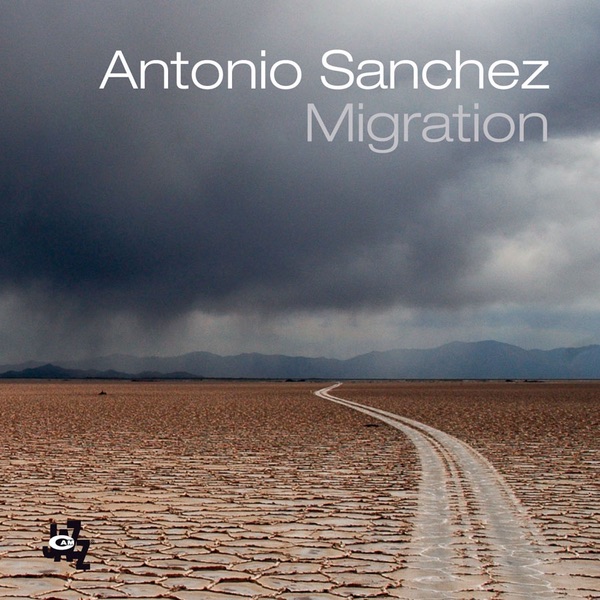
When Migration arrived in 2007, it came as a statement rather than a question. Sánchez's debut on CAM Jazz didn't need to build a reputation over time or work its way into jazz consciousness through word of mouth—it landed as the work of a musician already assured in his craft and clear about what he wanted to say. All About Jazz caught this immediately, observing that the album "deftly evokes the life of the desert as an allegory for the journey within all of us." That's not the language critics use for promising newcomers; that's the response to an artist who knows his terrain.
What sets this record apart is Sánchez's willingness to center the drums not as timekeeper but as voice. He's composing through percussion, thinking melodically, building narratives that have nothing to do with keeping the band locked in. The desert metaphor isn't incidental—it's structural. There's space here, real silence, the sense of crossing something difficult. This is a debut that didn't announce a future direction so much as declare an established identity.
If you're coming to Sánchez for the first time, Migration is the right entry point. It's where he speaks most directly about what matters to him as a composer and bandleader, before his attention turned elsewhere. The album works because it trusts its own quietness, never reaching for drama or difficulty just to prove something.
Who's playing
Chick Coreapiano
Pat Methenyguitar
Where next?
More by Antonio Sanchez
All 17 albums →


The musicians on this record
Their own records, close in time