1988 · Album
Midpoint - Quest III Live at the Montmartre Copenhagen Denmark
Recorded Live at Montmartre, Copenhagen, Denmark · Timeless
Three Voices in Deep Conversation
Liebman's soprano cuts through with crystalline urgency while Beirach builds harmonic architecture underneath.
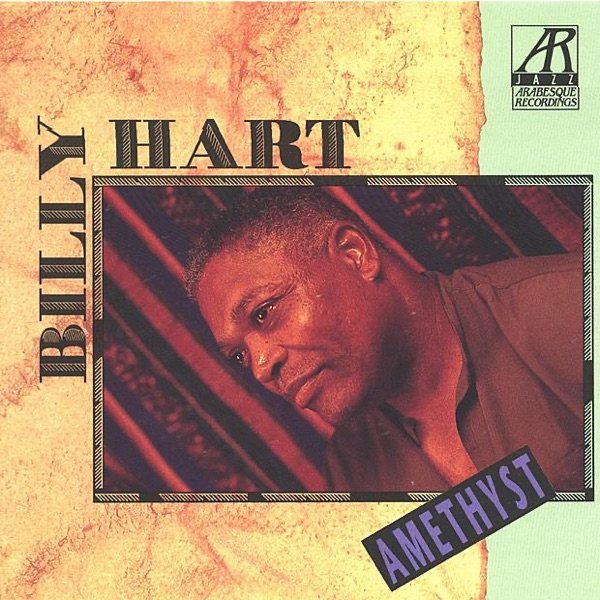
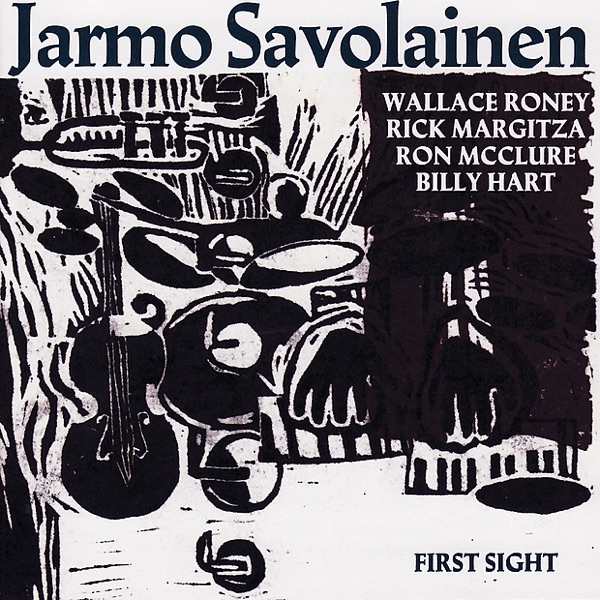
What makes this live set work is David Liebman's soprano saxophone. He arrives at the Montmartre with a tone that cuts—sharp, almost anxious, nothing like the breathy contemplation you might expect from the soprano in a ballad. Liebman pushes, questions, dismantles the space Richie Beirach creates on piano. Beirach is patient, methodical, laying out chords that feel both open and considered. Ron McClure on bass threads through the middle, anchoring without insisting. Hart listens—that's the drummer's real job here—and responds to the shape each tune takes rather than imposing rhythm onto it.
Quest had already recorded studio albums by this point, but live at the Montmartre in Copenhagen, the band sounds less like a working group and more like three musicians in real argument. There's no comfort here, no groove in the traditional sense. Liebman's solos are restless, often angular, and Beirach won't simplify to meet him—instead they find friction that turns into something worth hearing. The soprano-piano conversation is the spine of almost every track, with McClure and Hart creating space rather than filling it.
This wasn't a famous session at the time and it isn't now. The Montmartre was a working venue, not a landmark destination for American jazz tourists. But the tape captures something genuine about what this quartet did when the room was half-full and the night was long—focused, stubborn, and unwilling to settle for the pretty option when the honest one was still possible.
Who's playing