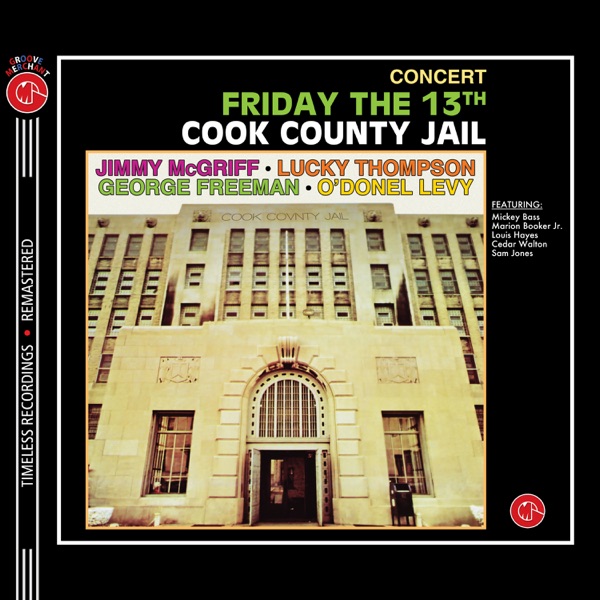
Soul-Jazz Groove and Organ Swagger
McGriff's Hammond B3 cuts through with that greasy, percussive attack—this is funk dressed up as jazz.
From the first notes, Blues for Mr. Jimmy announces itself as a deep blues session where the organ is the lead voice, not a rhythm instrument. Jimmy McGriff's Hammond B3 doesn't accompany here—it swings hard, growls, and bends notes with the attitude of a horn player. The rhythm section locks into that soul-jazz pocket where swing and R&B overlap, and there's none of the cool restraint you might expect from a blue-note session. This is greasy, intentional, designed to make you move.
The album sits comfortably in McGriff's wheelhouse as a bandleader in the mid-1960s, when soul-jazz and hard bop were both thriving and the lines between them were deliberately blurred. Blues for Mr. Jimmy doesn't strain for sophistication. It's a working organist doing what works—bluesy grooves built on the B3's natural sound, the kind of record that played as well in a nightclub as it did on somebody's turntable. McGriff was prolific during this era, and this record competes directly with his best material from the period, though it's not the obvious starting point if you're new to him. Start instead with I've Got a Woman (1962) to hear him when the idiom was fresher in his hands.
The strength here is straightforward: groove and tone. McGriff understood that the organ's percussion—those drawbars and the speaker—could do rhythm work while his lines carried melody and blues feeling. Nothing complicated. Nothing precious. Just solid soul-jazz craft from a musician who knew exactly what he wanted to deliver on any given session.