Roma: Lovano's Mediterranean Quartet Sessions
Five musicians meeting in Rome, finding something that feels both deliberate and discovered in real time.
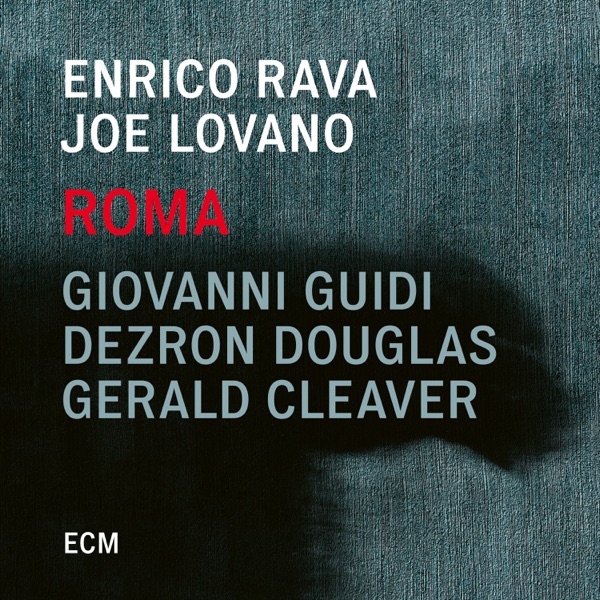
Roma arrived without fanfare—a session recording that didn't immediately register as essential in Lovano's discography, but has quietly earned respect among listeners who care about his work beyond the Paul Motian trio. It's the kind of album that builds slowly, appearing in conversations between people who've spent time with his catalog and wondered what happens when you put him in a room with Enrico Rava, Giovanni Guidi, Dezron Douglas, and Gerald Cleaver. The answer is unhurried, lyrical music that sounds like five people genuinely listening to each other.
What makes this distinct from Lovano's other small-group work is the restraint. There's no virtuoso racing or harmonic complexity for its own sake. Rava's flugelhorn and Lovano's tenor move through compositions with the patience of musicians who know that space matters more than fill. Guidi's piano is spare and responsive; Douglas and Cleaver keep time without calling attention to themselves. This isn't about showmanship. It's about sound—the particular ring of these instruments in a room together, the way silence becomes part of the arrangement.
Roma feels like it belongs to a specific moment in Lovano's evolution, when he was interested in writing for this exact combination and seeing where it led. For someone discovering his work, start elsewhere—his Blue Note sessions or his Motian records have more immediate entry points. But if you've lived with Lovano for a while, this one rewards the attention. It's patient music, and it asks the same from you.
Who's playing